Mathematics appears in scores of political contexts that college students, high-schoolers, and even younger students can understand. Subjects like voting, apportionment, and gerrymandering are accessible and perfect for transdisciplinary learning since they occupy a unique place in the intersection of mathematics, statistics, computer science, political science, economics, and history. These topics have unparalleled import on democracy while being conspicuously absent from our schools.
One of IMD’s goals is to remedy this problem. We develop curricula, train teachers, and create teaching modules that foster both political quantitative literacy and the understanding of how mathematics governs many democratic processes.
Contact us to learn how IMD can bring topics like these to your classroom:
- Mathematics of the Electoral College
- Voting – plurality, ranked choice, cardinal and other methods
- Apportionment
- Impossibility theorems
- Gerrymandering – efficiency gap and compactness scores
- Quantification of power
- Game theory – conflict, bargaining, and negotiation
- Number theory of cryptography and its regulation
- Graph theory of networks and voter manipulation
- Statistics in politics

IMD High School Summer Research Program Project Descriptions
As IMD prepares for the 2026 high school summer research program, we would like to…
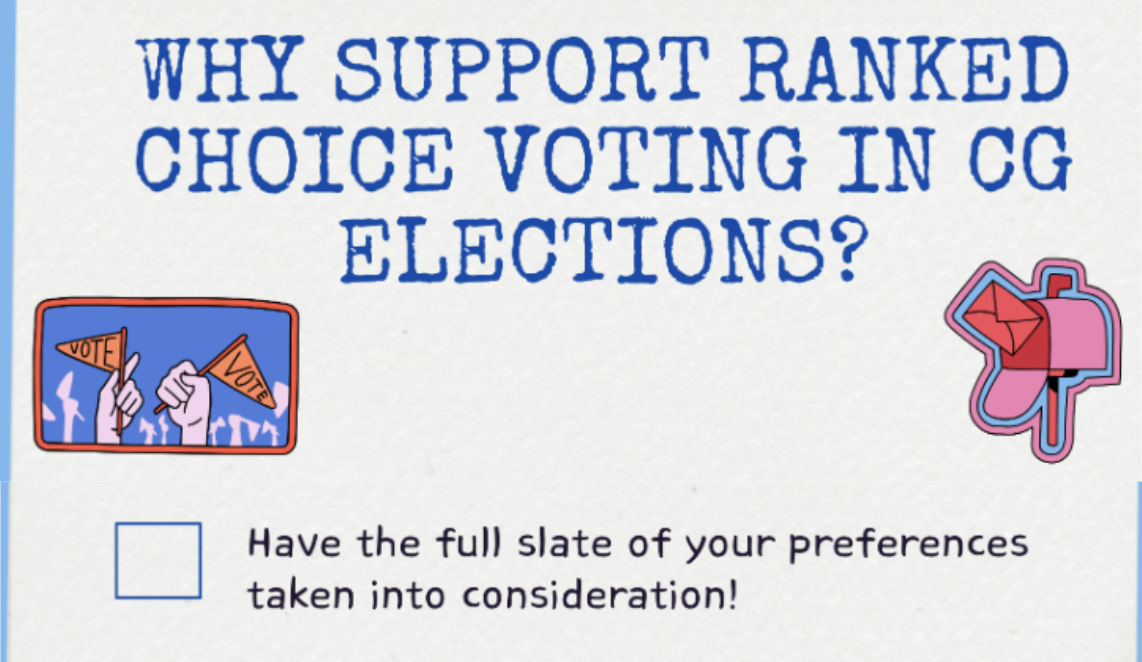
Ranked Choice Voting in Wellesley College Government Elections
Do you want more representation and your full preferences to be taken into consideration when…
Apply Now: 2026 IMD Summer High School Research Program
Every year, IMD runs an online six-week summer research program for advanced high school students,…

IMD High School Summer Researchers Release Research Papers
Two of our outstanding IMD high school summer researchers have released research papers, which are…
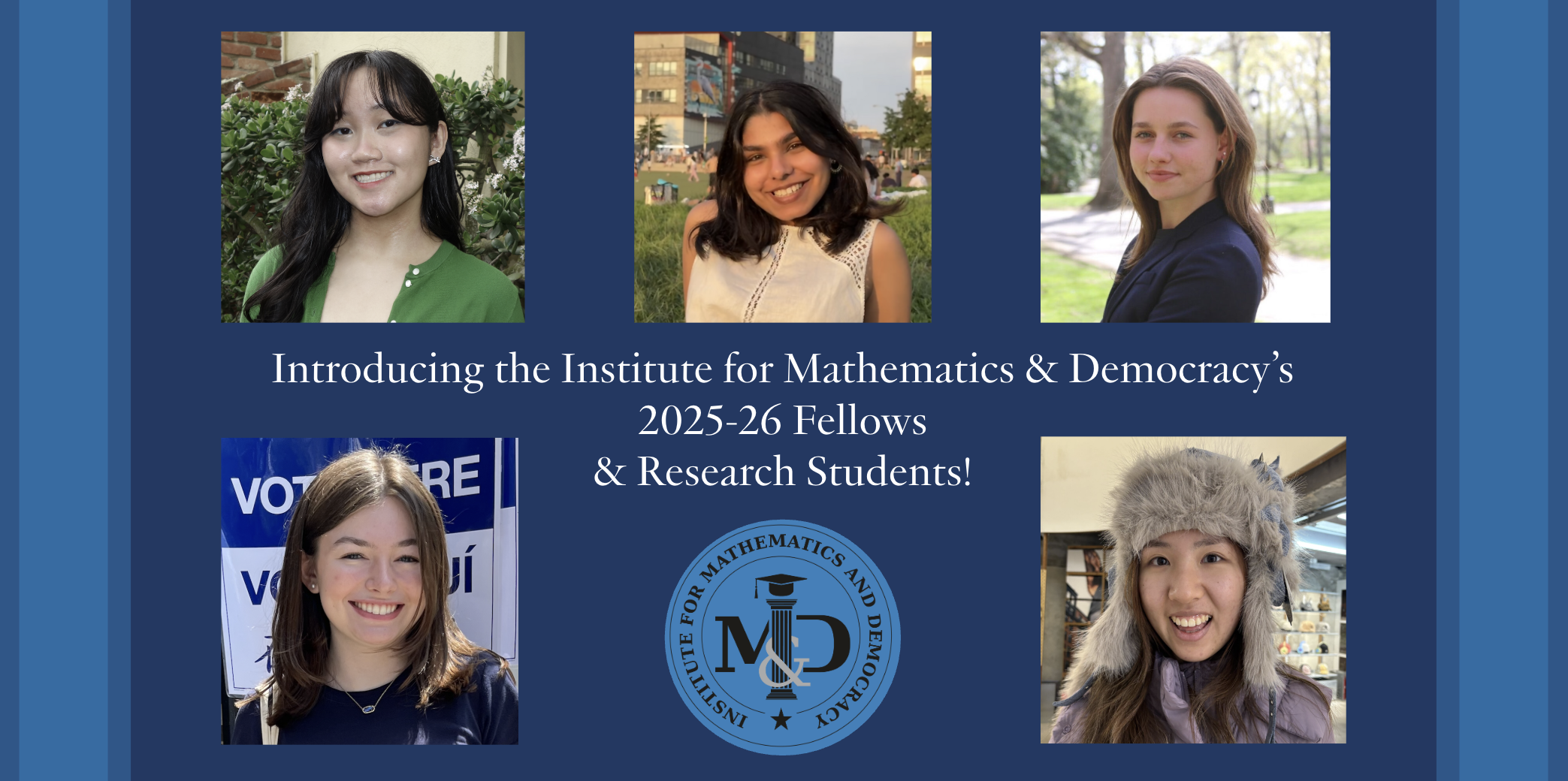
Introducing 2025-26 IMD Fellows & Research Students
We are excited to welcome three outstanding Wellesley College students as our 2025-2026 IMD fellows!…
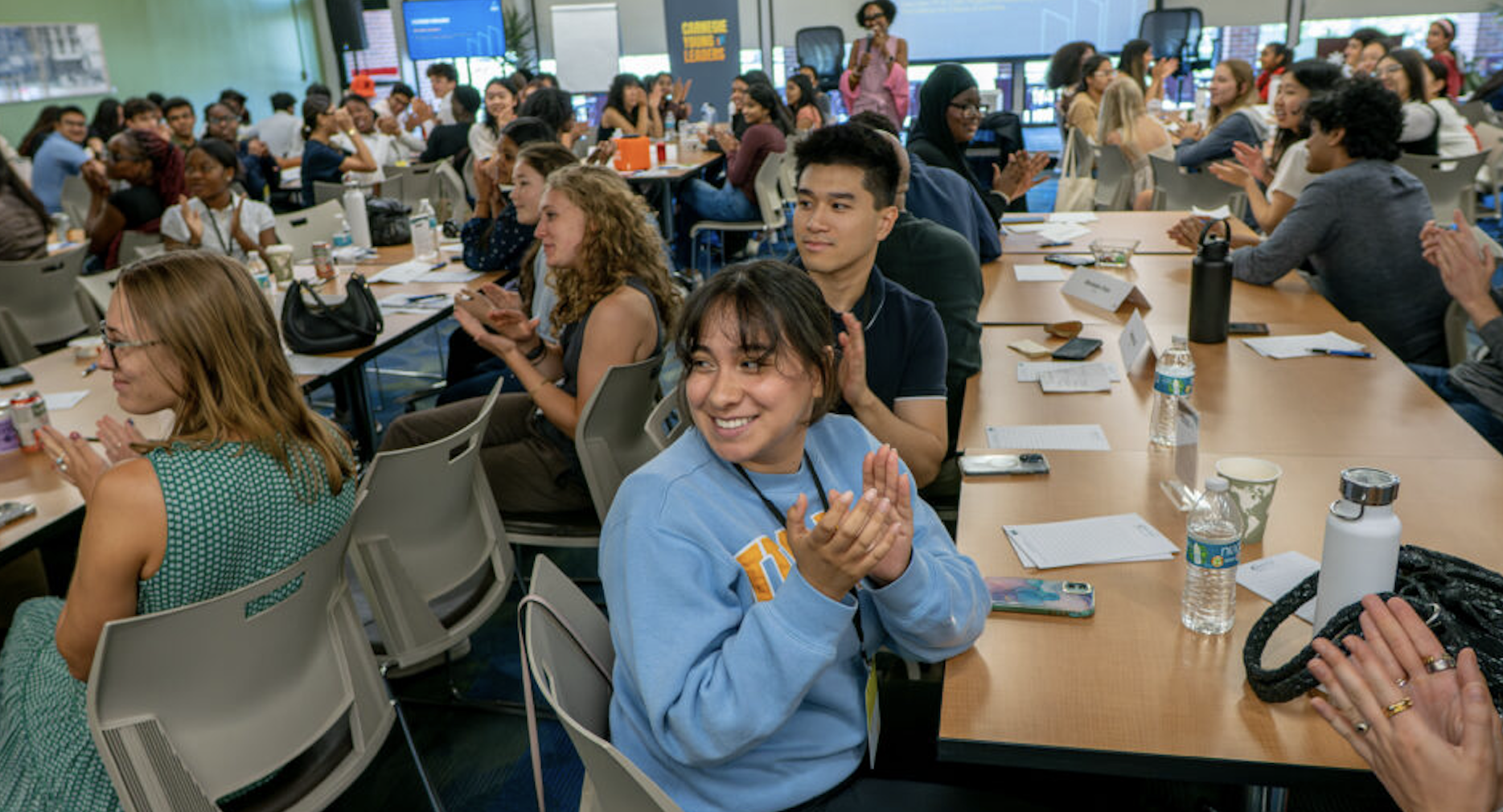
IMD High School Program Alums Win Carnegie Young Leaders Fellowship
Ananya Shah, Serena Pallan, and Zubin Rajesh met during the Institute for Mathematics and Democracy’s…